Gender exploration emerged as a socially accepted practice under the guise of the transvestite theater during the Renaissance time period. Phyllis Rackin, a well known scholar on the subject of gender studies during the Renaissance commented "Recent literary historians have pointed out that the English Renaissance theater was an important site of cultural transformation- a place where cultural change was not simply reflected but also rehearsed and enacted. The theater provided an arena where changing gender definitions could be displayed, deplored, or enforced and where anxieties about them could be expressed" (
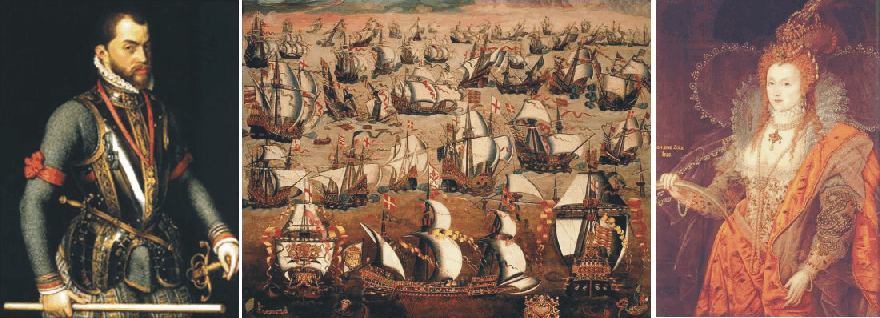
Rackin). The biggest paradigm shift in terms of gender exploration came packaged as England's female King, Elizabeth Tudor. The date is August 18, 1588 in Tilbury England, when Queen Elizabeth addressed her militia in what has become one of her most memorable speeches, the
Tilbury speech. This public appearance takes on a transvestite theater tone as Elizabeth played with wording and visual appearance to shape her words and image into one which is both masculine and feminine in gender and male as well as female in sex, making her claim of being England's king, although biologically not fitting that description, legitimate upon foundations of gender (the social role one plays which are masculine or feminine in nature), not sex (the biological factors which determine one to be male or female), qualifying one for position as King.